NEUROFEEDBACK FOR KIDS & TEENS
Meet the child.
Understand the whole picture.
A thoughtful starting point for parents exploring neurofeedback for attention, emotions, or sleep.
DOES THIS SOUND FAMILIAR?
You know your child.
Start with what you notice.
These are reasons to start a conversation. They do not establish a diagnosis or mean neurofeedback is right for everyone.
Homework struggles
Getting started or staying with a task feels hard.
Big emotions
Changes and frustrations can become overwhelming.
Acting on impulse
Pausing before acting is a daily challenge.
Difficult bedtimes
Winding down takes longer than the whole family hoped.
YOUR LIFE, YOUR PLAN
Support that stays
personal.
A parent conversation brings together what you see at home, at school, and in your child’s existing care. Suitability and age requirements are confirmed individually.
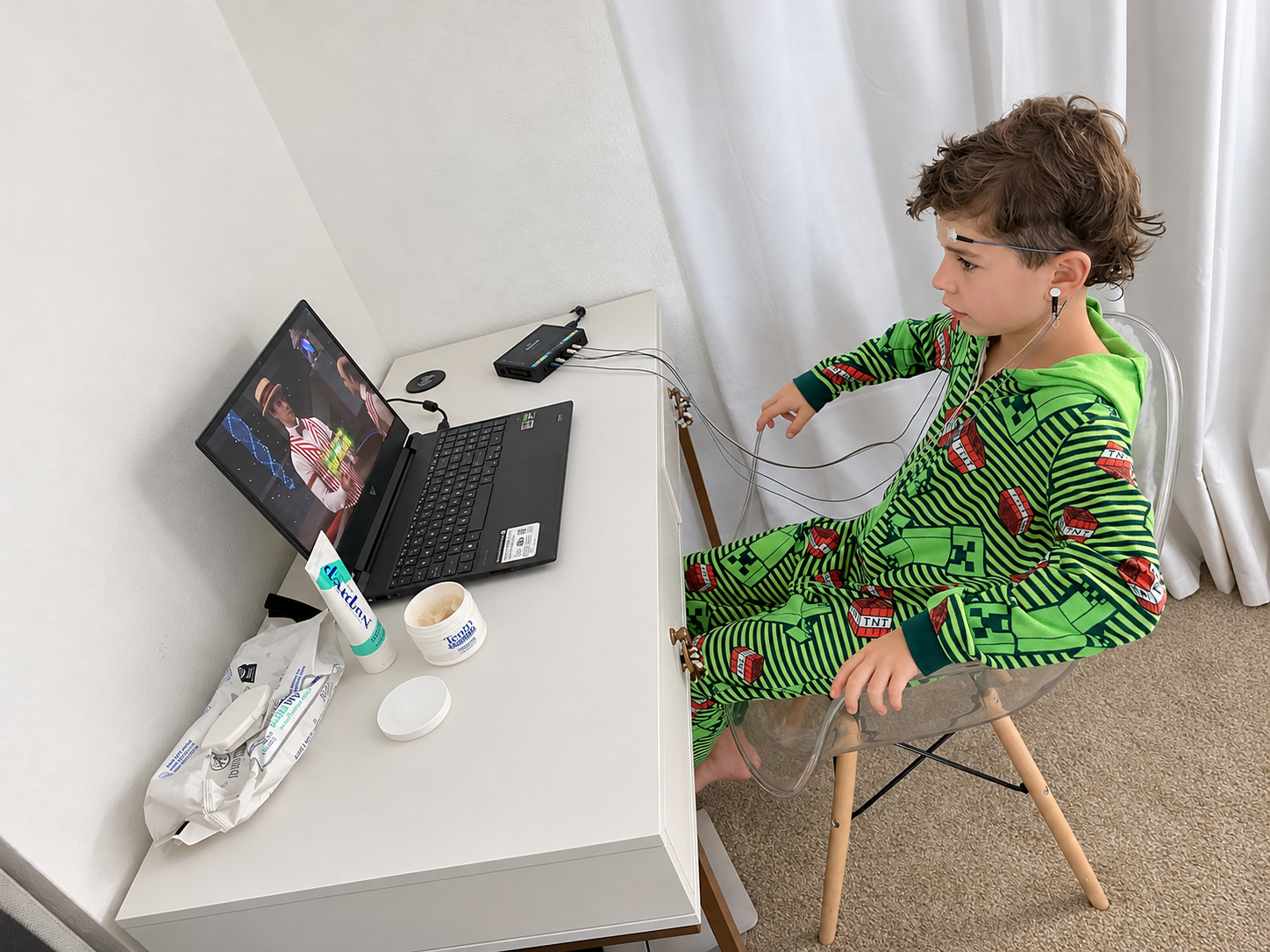
We explain brain mapping, equipment, the parent’s role, and the proposed training schedule. A clear plan should work for your child and for your family.
ADHD research is mixed. A large 2025 review did not support neurofeedback as a standalone ADHD treatment, though it found small effects for some standard protocols. We discuss the evidence alongside established care, not as a reason to stop it.
A CLEAR PROCESS
One step at a time.
We explain the equipment, schedule, full program cost, and support before you decide.
A conversation first
Share your goals and questions. We review whether the program is appropriate for you.
Map & make a plan
We arrange brain mapping where appropriate and develop an individualized training protocol.
Set up at home
We help you get familiar with the remote equipment and your training schedule.
Stay supported
Vital Brain manages the program, reviews progress, and guides next steps.
BEFORE YOU BEGIN
Good questions.
Honest answers.
Bring your questions to a consultation, including what you’ve already tried and the care you’re receiving.
Does my child need an ADHD diagnosis?
No diagnosis is needed to ask about the program. Difficulty focusing or regulating emotions can have multiple causes, and a clinical assessment may be appropriate.
Can my child continue medication and therapy?
Discuss the program with the professionals responsible for your child’s care. Changes to medication belong with the prescriber.
What does a parent need to do?
Your child’s plan should specify setup, supervision, session scheduling, and how to report concerns. Clarify those responsibilities before starting.
What does the evidence say?
See our attention and ADHD overview for a balanced summary and the linked systematic review. Evidence varies by protocol and outcome; a study does not guarantee an individual result.
YOUR NEXT STEP
Start with a conversation.
Talk with Claire about your goals, the process, and whether neurofeedback is a sensible next step.
Book a free consultation